Insta360 Luna Ultra vs DJI Osmo Pocket 4P: which fits your filmmaking?
 By Ryan Robert Rice ·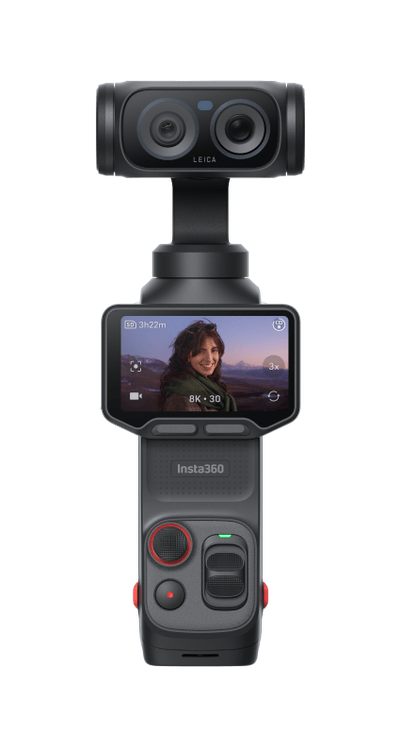
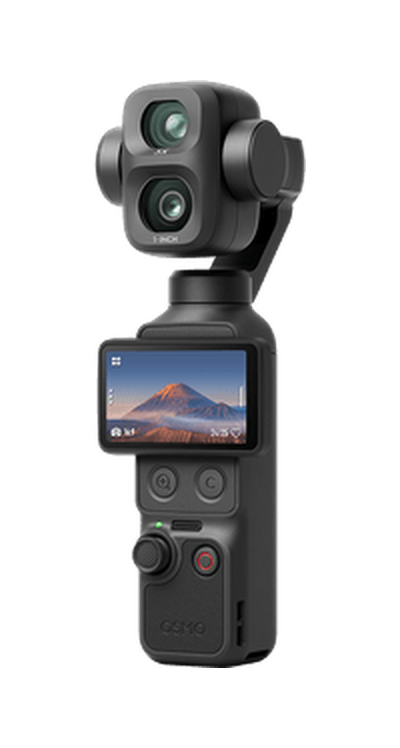
A small camera is only useful if it makes you want to shoot more. For travel videos, walk-and-talk clips and quick pieces of a bigger story, I would start with how the camera fits the shoot—not just the biggest number on the box. Here is my practical comparison of the Insta360 Luna Ultra and DJI Osmo Pocket 4P.
Model clarification: If you searched for “Luna Ultra vs DJI Osmo Pocket 4,” this guide specifically covers the Pocket 4P named in DJI’s Cannes announcement and current product page. This is a comparison of published information, not a claim that I have personally tested either camera.
Affiliate disclosure: As an Amazon Associate I earn from qualifying purchases. Purchases through the links below may earn me a commission at no extra cost to you.
The differences that matter
These are manufacturer specifications, not independently measured results. Maximum modes can have restrictions; check the current specification notes before buying.
| Feature | Insta360 Luna Ultra | DJI Osmo Pocket 4P |
|---|---|---|
| Wide camera | 1-inch sensor; 20mm equivalent, f/1.8 | 1-inch sensor; 20mm equivalent, f/2.0 |
| Telephoto | 60mm equivalent, f/2.0 | 60mm equivalent, f/1.8 |
| Video highlight | 8K up to 30fps; 4K up to 120fps | 4K/240fps slow motion advertised |
| Color workflow | 10-bit I-Log | 10-bit D-Log 2 |
| Tracking | Deep Track 5.0 | ActiveTrack 8.0 |
| Standout feature | Detachable 2-inch OLED touchscreen | High-frame-rate 4K and DJI workflow |
Sources: Insta360 Luna Ultra specifications, DJI Pocket 4P product information and DJI’s Cannes announcement. Checked September 18, 2026.
Where I would lean toward the Luna Ultra
My on-paper pick for someone who often films alone would be the Luna Ultra. A detachable screen could make it easier to check framing when the camera is positioned away from you. That matters more to me than a feature that looks impressive but never gets used.
The 8K option also makes it worth considering if reframing is part of your editing process. I would still test your actual export workflow first: extra resolution does not automatically mean a better finished video, and larger files can slow down a quick turnaround.
Where I would lean toward the Pocket 4P
For a creator whose priority is slow-motion footage, the Pocket 4P’s advertised 4K/240fps is the feature I would investigate first. I would check the available recording conditions and look at real clips before choosing it specifically for that mode.
If you already work with DJI equipment, familiarity is another practical reason to consider it. Confirm compatibility with your exact microphones and accessories instead of assuming everything you already own will connect.
What about low light and image quality?
I would not declare a low-light winner from a launch page. A useful comparison needs both cameras filming the same scene, with similar exposure and output settings. Watch moving faces, fine detail and bright signs—not just a still frame of a dark street. The same goes for tracking: test a subject turning away, passing behind something and walking toward the camera.
My buying advice
Choose around the footage you make most often. I would shortlist Luna Ultra for solo composition and reframing, and Pocket 4P for slow-motion priorities. Those are feature-based recommendations, not hands-on verdicts. For either one, compare the complete kit price, included audio gear, storage needs and seller warranty.
The Amazon listings could not be independently loaded during this comparison. Before checkout, confirm the exact model, bundle and seller—especially that the DJI listing is the Pocket 4P discussed here. No live price or stock claim is included.
Is this a replacement for a full-frame camera?
I would treat a pocket camera as another way to get the shot. If changing lenses and building a larger production kit are priorities, read my Panasonic LUMIX S1II guide and L-Mount lens picks. For phone-first audio, see the Hollyland LARK M2 I use daily.