DJI Flip: the drone I would consider for everyday content.
 By Ryan Robert Rice ·
 I would consider the DJI Flip for someone who wants to add aerial clips to the content they already create. A drone does not have to be the centerpiece of every project. Sometimes I just want another angle that helps tell the story.
My work includes photography, video and marketing content, so I look at gear in terms of how I would use it. Could it make a short travel video more interesting? Could it help a solo creator get into the frame? Would the whole setup fit the way they like to work? Those are the questions I would bring to the Flip.
This is my buying perspective based on DJI’s published information. I have not said that I own or have personally tested the Flip. I do own the Avata 2, and I see a different reason to consider each one.
Affiliate disclosure: As an Amazon Associate I earn from qualifying purchases. Buying through my link may earn me a commission at no extra cost to you.
Why the Flip catches my attention
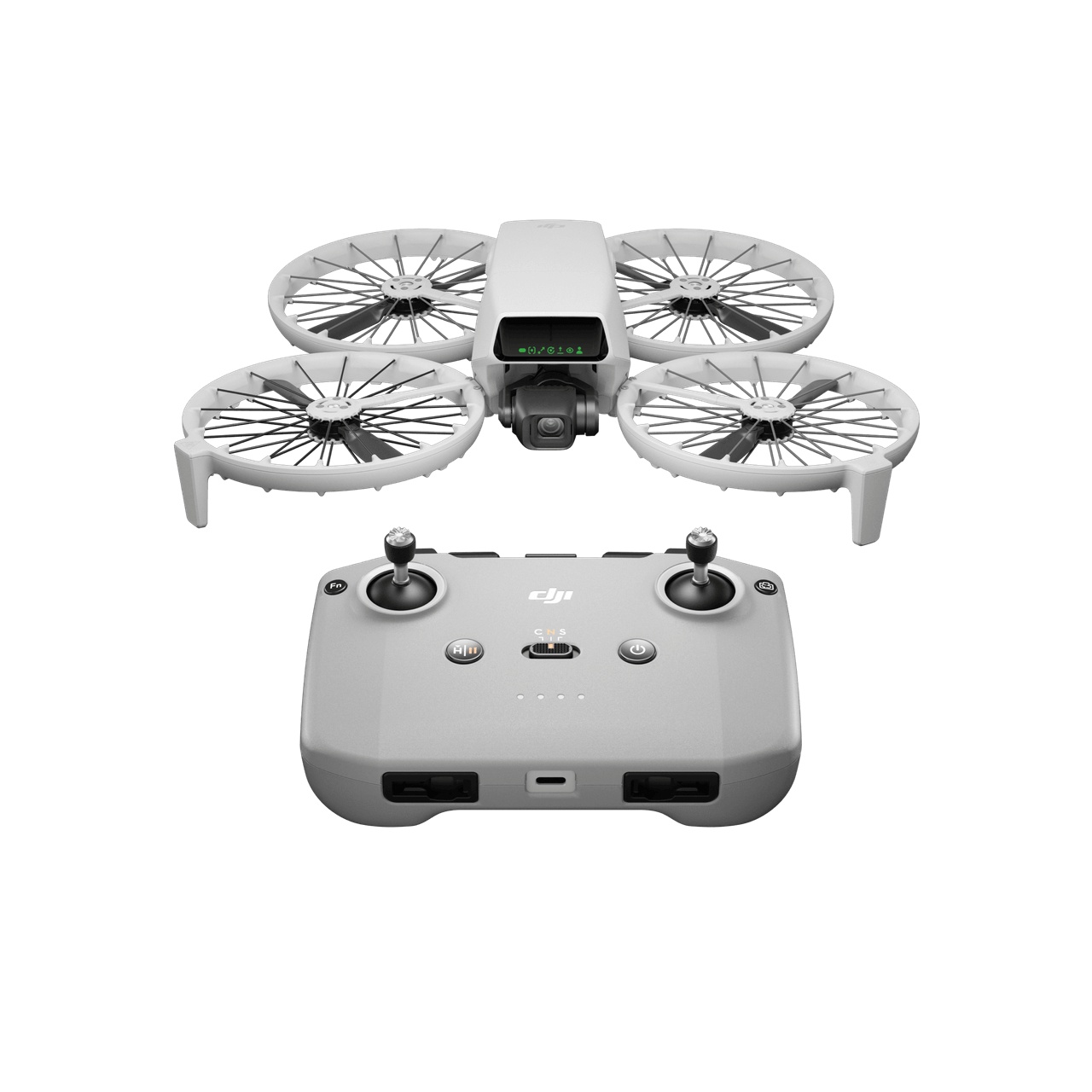
The folding design with enclosed propeller guards is distinctive, but the appeal for me is the potential for a manageable travel setup. I would try packing the complete kit—not just the aircraft—before deciding whether it fits into my normal camera bag.
For someone making short videos, an aerial establishing shot or a simple self-recorded moment can add variety. I would want the drone to serve that purpose without turning every outing into a dedicated flying session. That is the kind of buyer I would have in mind when recommending a closer look at the Flip.
Camera features worth knowing
DJI’s specifications list a 1/1.3-inch sensor, a 24mm-equivalent f/1.7 lens, 12MP and 48MP photo modes, and JPEG or DNG/RAW stills. Video includes 4K up to 60fps, a 4K100 option, and vertical recording up to 2.7K/30fps.
That combination is why I would look at it for both photographs and short video sequences. I would still want to see sample files in the kind of light I normally shoot and try editing them alongside footage from my other cameras. Matching a project matters more to me than choosing a camera from one headline number.
Why I would consider it for travel
When I picture a day exploring Oʻahu, I want to spend time enjoying the location as well as making images. I would consider the Flip for someone with that same balance in mind: a drone they can bring along when there is a suitable place to fly and a clear reason to get an aerial view.
DJI lists a maximum flight time of 31 minutes under controlled conditions. I would treat that as a reference figure, leave a sensible landing reserve and plan around actual conditions. Extra batteries can make a kit more useful, but they do not remove the need to judge the weather and flight carefully.
Tracking is a convenience, not a substitute for watching the flight
This is the limitation I would want a buyer to understand before trying automated shots. DJI’s FAQ says intelligent functions, including Subject Tracking, do not support obstacle avoidance. Automatic braking is limited to supported situations such as Normal mode, Cine mode and return-to-home.
I would use tracking only in an appropriate open area and keep the surroundings in mind throughout. Enclosed propellers and automated features do not make every location suitable. I would never buy a drone on the assumption that I could switch on tracking and forget about it.
Check the two-battery bundle carefully
The Amazon listing provided for this article is titled DJI Flip Two-Battery Combo Without Screen Remote Controller. Do not confuse that with a package featuring a controller with a built-in display. Confirm the exact included controller, phone requirements, batteries, charger and other accessories in the selected option.
I would compare the whole bundle price with what I actually need. A lower headline price is less useful if I immediately need to buy missing accessories. I have not verified a current checkout price, so use the link to check the live offer and seller details.
DJI Flip or DJI Avata 2?
I personally own the Avata 2 and find it fun, but I think you should want to commit to FPV before buying one. With the Flip, the reason I would be interested is different: adding aerial content to a broader photography and video setup.
If you want the immersive FPV flying experience, read my Avata 2 owner perspective. If you mainly want travel footage and creator-focused shooting options, I would compare the Flip with other conventional camera drones and choose around the shots you need.
My buying perspective
I would shortlist the DJI Flip for casual travel coverage and everyday content creation. I would first check its handling, image quality and limitations against my actual plans. For more demanding aerial assignments, I would compare other models rather than assume one small drone covers every need.
There are a lot of good cameras and drones now. The purchase that makes sense is the one you will use, understand and enjoy. For me, the Flip is interesting when aerial footage is one part of the story—not the entire reason for going out.