DJI Avata 2: I own it, it’s fun—but you have to want FPV.
 By Ryan Robert Rice ·
 I own the DJI Avata 2, and it is fun. But my advice is simple: you need to be committed to wanting to fly FPV. Otherwise, I would buy a regular drone.
That is the distinction I would make before looking at accessories or comparing camera specifications. Do you want the experience of flying through goggles, or do you mainly want aerial photographs and video? Both are good reasons to buy a drone, but they can lead to different choices.
Affiliate disclosure: As an Amazon Associate I earn from qualifying purchases. Buying through my link may earn me a commission at no extra cost to you.
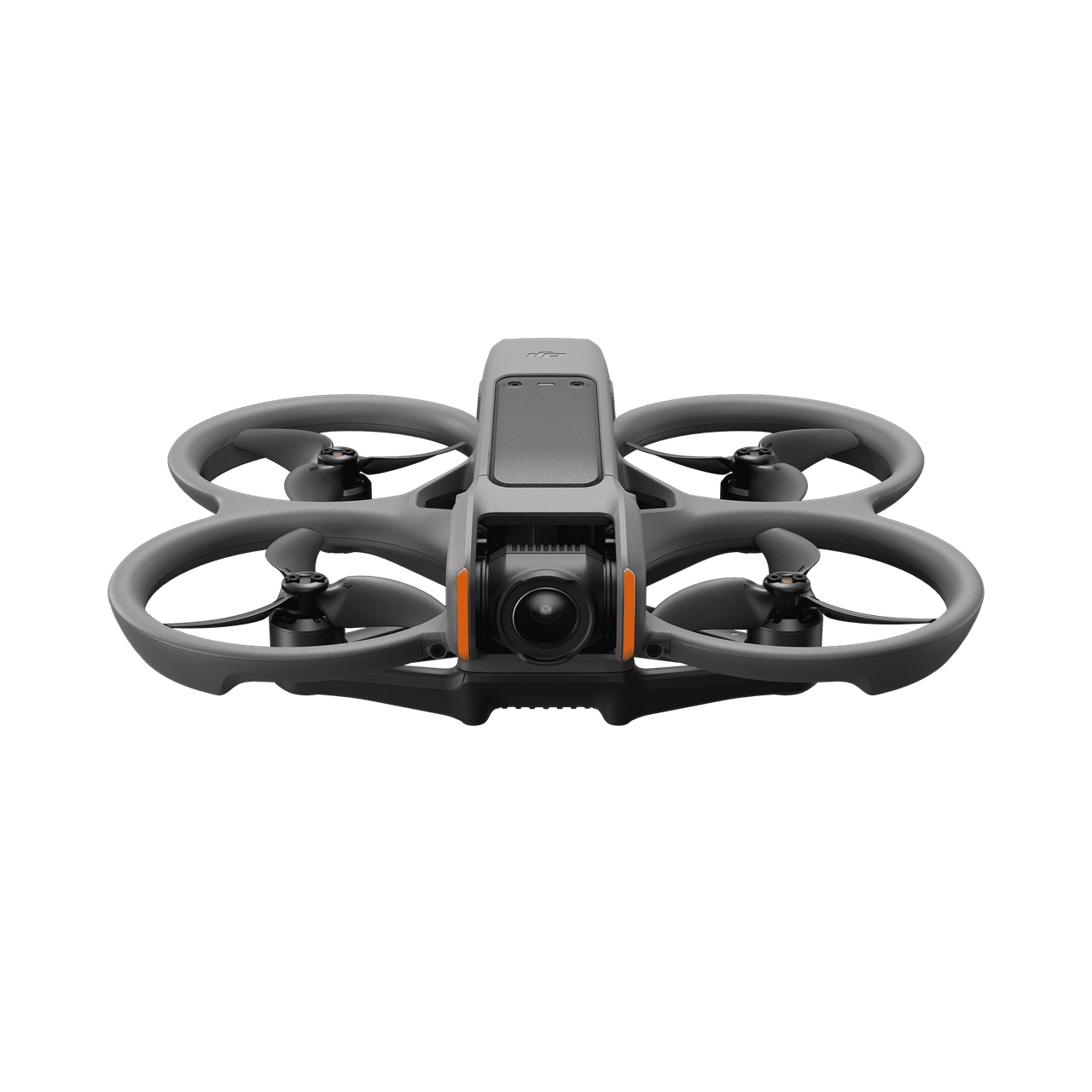
Why I enjoy the idea behind this drone
FPV means first-person view: you see the drone’s camera feed through goggles. For me, the appeal is that flying becomes part of the creative interest, rather than simply a way to position a camera. I enjoy owning the Avata 2, but that does not mean I would recommend it to everyone who likes my aerial work.
If the immersive viewpoint and learning process excite you, this is the kind of drone worth considering. If you are only tolerating the flying to get a scenic shot, I would point you toward a conventional camera drone first.
The Avata 2 features that matter
DJI’s specifications list a 1/1.3-inch sensor, a wide 155° field of view and 4K recording up to 100fps in 16:9. It has a single-axis tilt gimbal and electronic stabilization, with 46GB of internal storage. DJI rates maximum flight time at approximately 23 minutes under controlled test conditions; that is not a practical flight-time guarantee.
Those details give it a different role from a drone I would choose primarily for carefully framed still photographs. I would think about how an FPV sequence fits into the finished video, rather than assume every project needs that perspective.
Being interested in FPV is different from wanting one impressive shot
A great clip can make any drone look easy. What you do not see is the preparation, practice and decision-making behind a flight. I would buy an Avata 2 because I want to spend time learning that style, not because I expect to copy an ambitious sequence immediately.
My advice would be to start with simple, controlled flights in a suitable open location and build confidence gradually. Getting comfortable with orientation, stopping and landing is more useful than rushing toward dramatic moves. Propeller guards do not make a drone harmless or remove the need for space.
Motion control and Manual mode are different decisions
The listing supplied for this article is the Avata 2 Fly Smart Combo with three batteries, Goggles N3 and RC Motion 3. Check the selected option and box contents before buying; do not assume it is the Goggles 3 package.
DJI’s FAQ explains that full Manual mode requires a compatible FPV Remote Controller. The motion controller included in this bundle is not the same thing. You can enjoy FPV without immediately choosing full Manual mode, but budget separately for the appropriate controller if that is your goal. Check current firmware and goggles/controller compatibility as a complete combination.
What I would not assume about safety features
DJI states that the Avata 2 does not provide obstacle avoidance. Its downward and backward visual positioning should not be mistaken for a system that will steer you around obstacles. I would not buy it expecting the drone to protect every shot from a bad decision.
Plan the flight, understand your surroundings and the applicable flying rules, and leave room to stop. Goggles also change how you monitor the area around you, so take that part of the setup seriously.
Avata 2 or a regular drone?
| What you want | Where I would start |
|---|---|
| The goggles-based flying experience | Avata 2 |
| To invest time learning FPV movement | Avata 2, with the right controller for your goals |
| Scenic photos and deliberate aerial compositions | A conventional camera drone |
| One drone primarily for general travel coverage | I would compare conventional camera drones first |
For my recommendation, the regular camera drone is the more natural starting point when the goal is simply to bring back aerial content. The Avata 2 makes more sense when the flying style itself is what you want.
Would I recommend buying it?
Yes—if you are excited about FPV and willing to commit to learning it. I own it, I find it fun, and I can see why someone would want this experience alongside their other creative tools. But I would rather give you the recommendation that fits your interests than push you toward a drone you will rarely use.
If you mainly want a camera in the sky, start there. If you want to learn FPV, the Avata 2 deserves a look. Check current pricing, the controller and goggles included, and the complete cost of the setup before purchasing.