Nikon Z5IIC: why I would give this camera a serious look.
 By Ryan Robert Rice ·
 I shoot Panasonic, but I do not think you need to defend one camera brand forever. Canon, Sony, Nikon and Panasonic all give us good options. What matters to me is whether a camera makes sense for the work I want to create—and whether I will actually enjoy taking it out.
That is why the Nikon Z5IIC catches my attention. I would consider it as a full-frame camera for the days when I want to photograph, film and explore without making the gear the focus of the day. I have not used it yet; these are my reasons for putting it on a shortlist, based on Nikon’s announced features.
Affiliate disclosure: As an Amazon Associate I earn from qualifying purchases. Buying through my link may earn me a commission at no extra cost to you.
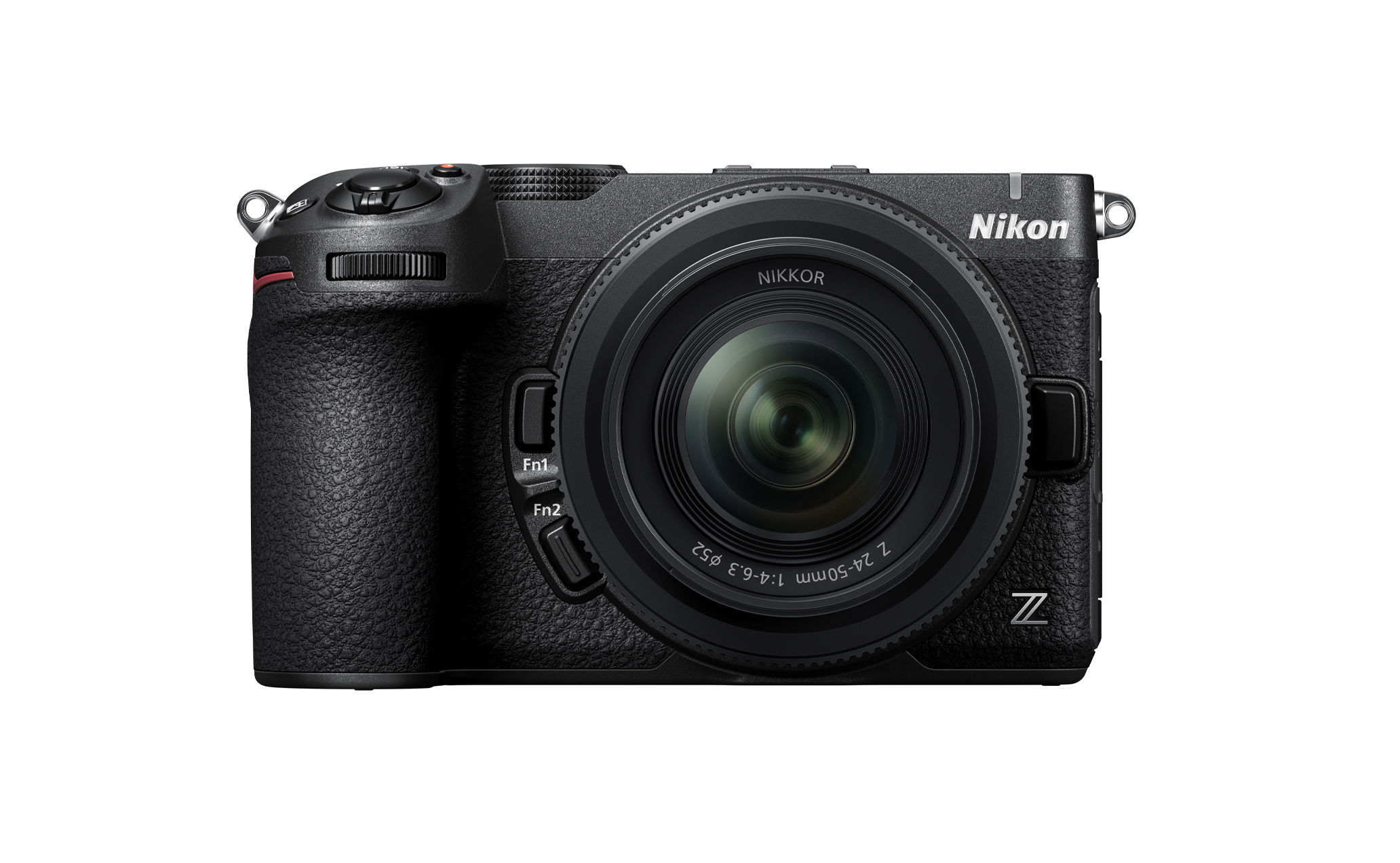
What is the Nikon Z5IIC?
It is a full-frame Nikon Z-mount mirrorless camera designed around rear-screen composition. The biggest distinction is simple: there is no eye-level viewfinder. Nikon’s Z5IIC and Z5II comparison frames the choice around how you prefer to shoot. I would treat that as the first buying question, before getting caught up in the rest of the specifications.
The features I would pay attention to
| Sensor | 24.5MP full-frame |
|---|---|
| Processing / autofocus | EXPEED 7, subject detection and 3D tracking |
| Stabilization | In-camera vibration reduction, rated up to 7.5 stops under specified test conditions |
| Composition | 3.2-inch vari-angle touchscreen; no viewfinder |
| Video | 4K up to 60p with DX crop at 60p; N-RAW recording supported |
| Lens mount / media | Nikon Z mount / UHS-II-compatible SD cards |
Source: Nikon’s Z5IIC specifications. Check the manual for recording-mode and media requirements.
Why I would buy it: a camera for the day I actually want to have
Living on Oʻahu, I can imagine taking this out with one small lens for a walk, a few portraits and some video along the way. I would want a setup that encourages me to stop and make a photograph when the light looks good, rather than decide that getting everything out is too much effort.
I would start by trying it with a compact lens. A full-frame body does not guarantee a lightweight kit once you add glass, and I would rather choose a lens that fits the way I move than build a setup around numbers on a product page.
That is the personal appeal for me: enough creative flexibility to take it seriously, in a style of camera I could consider for everyday shooting. Whether it actually feels right is something I would confirm in my hands.
I want photography and video in the same bag
My work crosses photography, video and marketing content, so I naturally look for cameras that can do more than one job. On a location shoot, I might want a still image for a website and a short sequence for social media. I would rather know one camera well than carry extra equipment without a clear reason.
The Z5IIC’s video options make it worth exploring, but the 4K60 crop matters. Cropping narrows your view, which can make a lens feel less wide when filming yourself, a room or a landscape. I would check the framing in the exact recording mode I plan to use before buying a lens for it.
N-RAW is something I would explore only if the project benefits from that workflow. More demanding files also mean thinking about card speed, storage and editing support. I would not turn on the most complicated format just because it is available.
Stabilization is useful—but I still care about technique
For handheld photography, built-in stabilization is a feature I value. It can help with camera movement when shooting a stationary subject, but it does not stop someone moving through the frame or make every walking video smooth.
Nikon’s 7.5-stop rating applies at the image center under CIPA testing with the NIKKOR Z 24–120mm f/4 S at the telephoto end. I would judge the results with my own lens and shooting style, rather than expect the headline figure in every situation.
The reason I might choose something else: no viewfinder
This is the trade-off I would spend the most time testing. A rear screen can be convenient for low angles, self-recording and changing compositions quickly. In bright Hawaiʻi sunlight, I would want to see whether I could comfortably judge framing and focus without an eye-level viewfinder.
If that bothered me, I would compare the Z5II instead. That would not make the Z5IIC a bad camera—it would mean I prefer a different way of working. I would also try the screen with a microphone and any support gear attached, because accessories can change how a camera feels.
Price and availability
Nikon’s US announcement lists a suggested price of $1,399.95 body-only or $1,699.95 with the NIKKOR Z 24–50mm f/4–6.3, with availability expected in mid-October 2026. Those are announced US prices, not a verified Amazon checkout price. Confirm the selected package, seller, delivery estimate and final total.
I would put the lens and accessories into the budget from the start. The body is only one part of a useful setup. If I already owned a camera doing everything I needed, I would want a specific reason to switch systems and buy different lenses.
My take: good cameras give us choices
I would consider the Nikon Z5IIC for a full-frame setup built around travel, everyday photographs and video—provided I liked shooting on its screen. That is the deciding condition for me.
I do not need this Nikon to make every Canon, Sony or Panasonic look worse to find it interesting. These are all capable systems. I would buy the one that fits my work, feels natural to operate and makes me want to go create something. Before committing, I would rent or handle the Z5IIC and bring home sample files to edit.