Canon EOS R8 Mark II: the upgrades I would actually care about.
 By Ryan Robert Rice ·
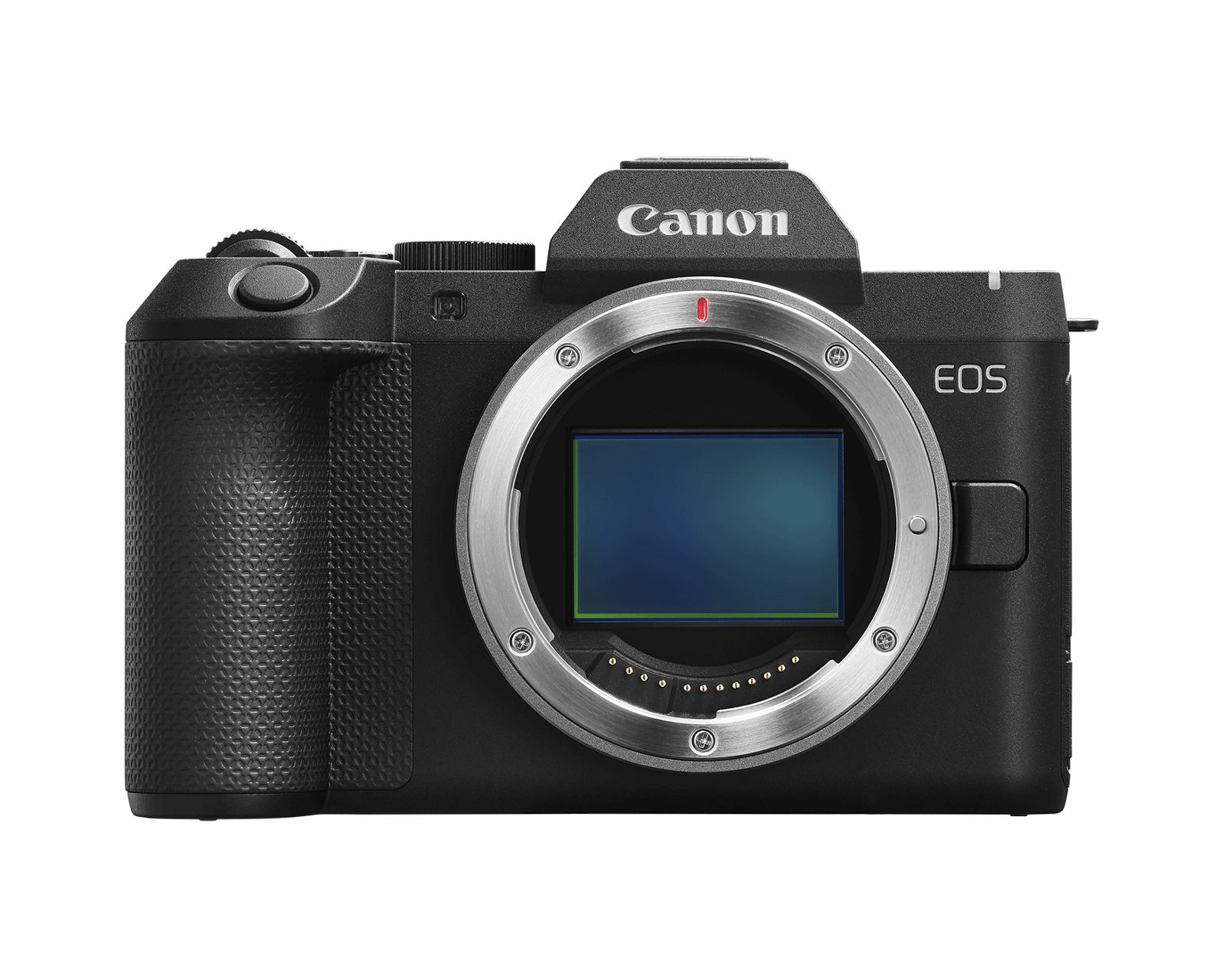
 The Canon EOS R8 Mark II gets my attention because of the practical changes: in-body stabilization and a focus joystick. Those are the kinds of features I would want to try before getting excited about a new camera simply because it is new.
I shoot Panasonic and value straightforward controls. From that perspective, this Canon looks worth considering for someone who wants a relatively compact full-frame setup for photographs and video. This is a first look based on Canon’s published information, not a hands-on review or a claim that I own it.
Affiliate disclosure: As an Amazon Associate I earn from qualifying purchases. If you buy through my link, I may earn a commission at no extra cost to you.
Price and release timing
Canon’s US announcement gives estimated launch prices of $1,899 body-only and $2,099 with the RF24–50mm F4.5–6.3 IS STM lens, with availability expected in late October 2026. These are Canon’s announced prices, not verified live Amazon offers. Check the selected package, seller and delivery date before ordering.
Canon EOS R8 Mark II at a glance
| Camera type | Full-frame mirrorless, Canon RF mount |
|---|---|
| Sensor | 24.2 megapixels |
| Stabilization | In-body stabilization; up to 7.5 stops coordinated correction at image center under Canon’s specified test conditions |
| Video | Full-width 4K up to 60p; Full HD up to 180p |
| Controls | Multi-controller joystick, viewfinder and vari-angle screen |
| Media | One UHS-II-compatible SD card slot |
| Battery / weight | LP-E17; approximately 546g including battery and card |
Sources: Canon’s product page and technical specifications.
Why stabilization matters to me
When I am walking around with a camera, I want a setup that is easy to carry and quick to use. Stabilization is useful for reducing camera shake, especially when photographing a stationary subject at a slower shutter speed. It does not freeze a moving person, and it does not replace a gimbal for every kind of walking shot.
Canon’s 7.5-stop figure is a coordinated stabilization rating measured with the RF24–105mm F2.8 L IS USM Z at 105mm using the electronic shutter. It is not a promise that every lens, shooting position or video clip gets the same result. I would test the lens I plan to use before treating that number as a reason to upgrade.
Controls matter as much as image quality
The new joystick is another reason I would pick this camera up in a store. I want to move my focus point without interrupting the shot. A control that saves a few seconds repeatedly can matter more in everyday use than a feature I only turn on once.
For a travel setup, I would attach my intended lens and check the balance with one hand, then try the controls while looking through the viewfinder. A small body does not automatically make the entire kit small.
A practical video option—with limits to check
The advertised 4K60 capability makes this a camera I would consider for travel films, social content and mixed photo-and-video projects. I would still want to test autofocus, motion rendering, stabilization and how the files behave in my editing software before trusting it on a paid assignment.
Canon’s technical sheet lists no RAW video recording. It also estimates about 40 minutes of battery operating time in its specified 4K60 mode at 23°C with a fresh LP-E17. That is a battery estimate under test conditions, not a guarantee of an uninterrupted take. For longer shoots, plan power and check recording limits in your chosen mode.
The biggest trade-off: one card slot
The single SD slot would be one of my main buying considerations. It means you cannot create a simultaneous in-camera backup on a second card. For travel and personal projects, I would decide whether that fits my workflow. For an unrepeatable client event, I would think carefully about redundancy and the role this body would play in the kit.
I would budget for suitable cards, a spare battery and a dependable backup routine. Buy the card speed required by the recording mode you use; do not choose a card only because the capacity looks generous.
Who would I recommend looking at it?
- Canon shooters wanting a manageable full-frame kit: compare it with your existing body and identify the specific problem an upgrade would solve.
- Travel photographers who also film: try it with a compact lens and judge the whole setup.
- Creators moving into interchangeable-lens cameras: budget for the lens, audio and accessories as well as the body.
I would be more cautious if you need two-card backup, very long shooting days without power changes, or a camera chosen mainly for specialized video production. A good camera is not automatically the right tool for every assignment.
My first-look verdict
The R8 Mark II looks most interesting as a camera you will actually want to carry. Stabilization and easier focus control are meaningful reasons to take a closer look. I would choose it because it fits my lenses and working style, then confirm that judgment through a rental or hands-on test.
The linked listing is for the camera body. If you do not already own a suitable lens, compare the total cost of the body plus your chosen lens with an available kit before buying.