Canon EOS R6 V vs R6 Mark III: I still want a viewfinder.
 By Ryan Robert Rice ·
 I would still choose the Canon EOS R6 Mark III over the R6 V, mainly because I love having a viewfinder. That might sound like a small thing when the conversation is full of video specifications, but how I enjoy using a camera matters to me.
I do like what Canon has done with the R6 V, especially the vertical-video features and the way its interface switches with the camera’s orientation. For someone producing social content all day, those details could be more useful than the feature I would miss most. This is my buying perspective based on Canon’s published information, rather than a claim that I have personally tested these two cameras side by side.
Affiliate disclosure: As an Amazon Associate I earn from qualifying purchases. Buying through my links may earn me a commission at no extra cost to you.
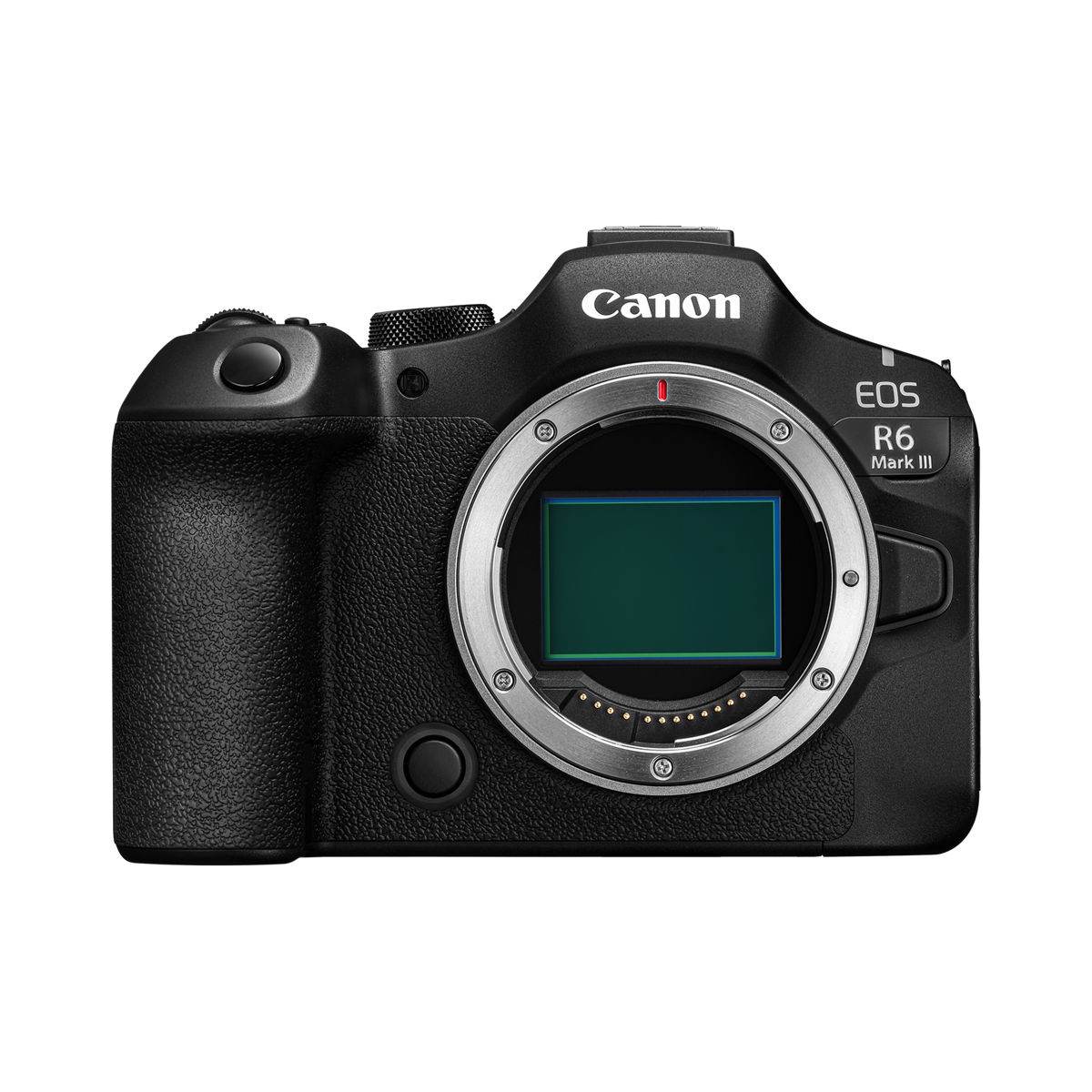
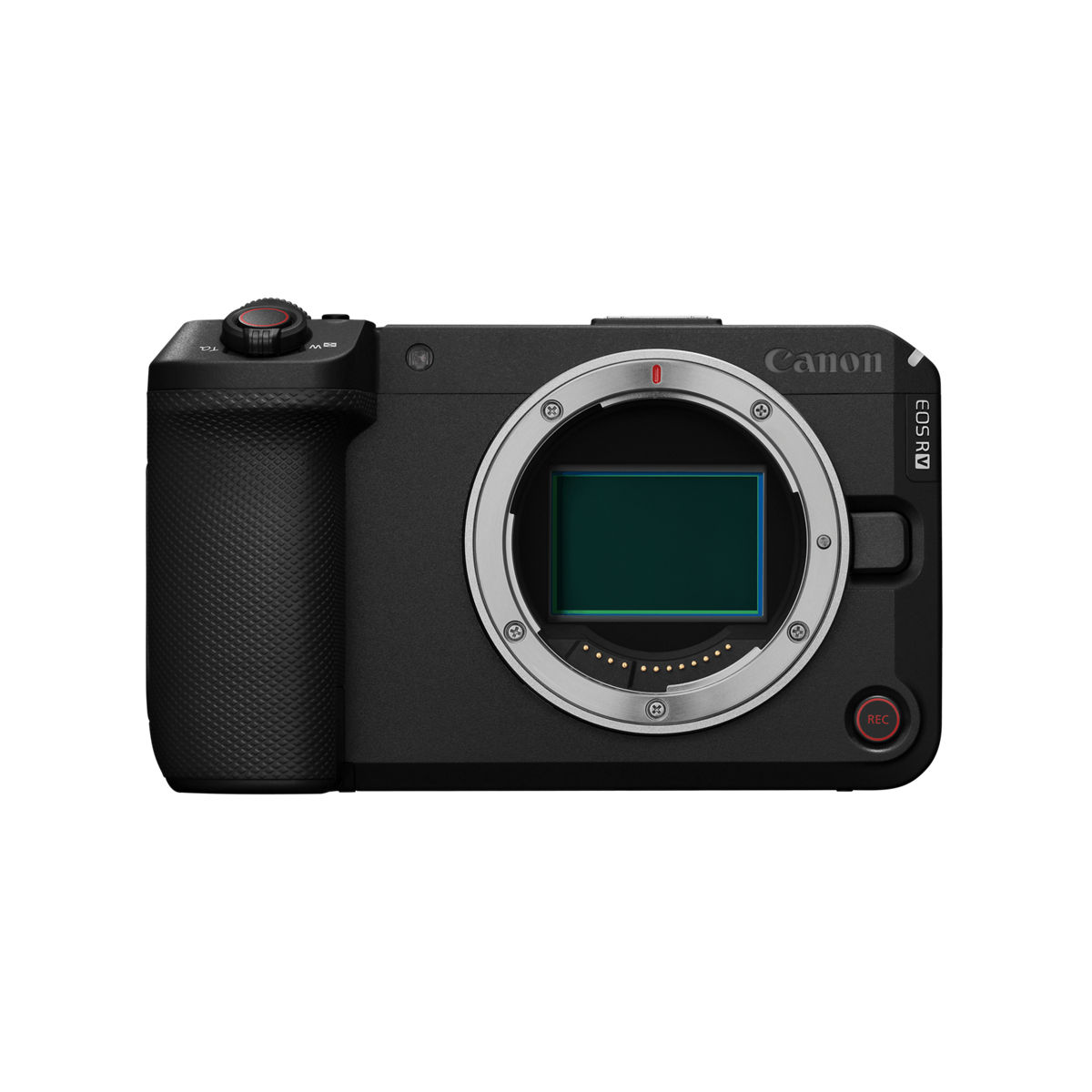
Product images: Canon. Bodies shown; check the selected listing for included lenses and accessories.
Canon R6 V vs R6 Mark III at a glance
| Feature | EOS R6 Mark III | EOS R6 V |
|---|---|---|
| Sensor and mount | Approx. 32.5MP full-frame; Canon RF | Approx. 32.5MP full-frame; Canon RF |
| Viewfinder | Built-in electronic viewfinder | No built-in viewfinder |
| Still-photo shutter | Mechanical and electronic options | Electronic only |
| Vertical shooting | Can shoot vertically; 7K open gate also supports reframing | Dedicated vertical tripod socket and reorienting interface |
| Video cooling | No built-in cooling fan | Built-in active cooling fan |
| Open-gate recording | 7K 3:2 up to 29.97p | 7K 3:2 up to 29.97p |
| Who I would steer toward it | Photographers who also take video seriously | Creators whose routine revolves around video |
Specifications: Canon R6 Mark III, Canon R6 V and Canon’s vertical-shooting overview. Recording formats, media requirements and operating limits vary by mode.
Why the R6 Mark III would be my personal pick
I want to bring a camera to my eye and concentrate on the frame. A viewfinder gives me a way to do that when I do not want to compose on the rear screen. For the mix of photography and video that interests me, I would hesitate to give it up just to gain a different set of video controls.
That is a preference, not a claim that everyone needs to shoot the same way. Someone who works from a tripod, external monitor or front-facing screen might hardly miss an EVF. I would miss the option, and that is enough to affect my purchase.
The Mark III is also a serious video option: Canon lists internal 7K RAW Light up to 59.94p and open-gate recording. Choosing it for the viewfinder would not mean abandoning ambitious video projects. I would be buying the balance that makes sense for me.
What I love about the R6 V’s vertical-video approach
The R6 V’s dedicated vertical tripod socket and automatically reorienting interface address a practical problem: switching between horizontal and vertical work. I like that Canon has treated portrait-orientation filming as part of the shooting experience, rather than an afterthought.
If I were repeatedly making Reels, short interviews and social campaigns, I would give that convenience real weight. It is the kind of detail that can matter more over a working day than another impressive number on the box. The camera still needs to be physically positioned for the composition; the interface changing orientation does not mechanically rotate the sensor.
Open gate is useful here too, and both cameras offer it. Recording a taller 3:2 image gives you more framing options for different deliverables. I would still compose with the intended crops in mind—shooting once does not guarantee that every horizontal and vertical edit will work equally well.
The R6 V offers more than a different body shape
Canon’s R6 V announcement highlights an internal cooling fan, an integrated zoom lever and tally lamp, alongside oversampled 4K up to 60p and uncropped 4K120. Those are meaningful reasons for a video-focused buyer to look closely.
I would particularly consider cooling for longer recording sessions. It does not remove battery, card-capacity or environmental limits, so I would check the exact recording mode and conditions before planning a long take. But it helps explain why the R6 V exists alongside the Mark III.
Where the Canon C50 and C80 fit
I would not treat the R6 V as a direct replacement for a C50 or C80 simply because some recording specifications overlap. The question is what the production needs, including sound, monitoring, exposure control and how the camera connects to the rest of the setup.
The EOS C50 includes a detachable handle with two full-size XLR audio inputs and a dedicated timecode terminal. The EOS C80 offers built-in ND filters and 12G-SDI connectivity. Those are concrete production advantages, and the two cinema bodies do not have identical feature sets.
That is why I would describe the distinction in terms of production tools, rather than imply that only Cinema EOS cameras have serious video settings. The R6 cameras offer substantial recording capabilities of their own. A creator might make a beautiful finished piece on either one while a different production needs the C-series connections and handling.
You do not have to buy the most expensive body for a strong result
I would rather build a balanced setup than spend the entire budget on a camera and leave nothing for a suitable lens, clean audio, lighting or support. For many projects, those choices will be more visible in the finished video than the name on the body.
Similar-looking results are possible in suitable conditions, but I would not promise identical performance or an identical working experience. Buy the capabilities your projects call for. If the cinema-specific features solve a real problem, they can justify the cost. If they do not, I would feel comfortable considering an R6.
Compare the actual packages before comparing prices
The R6 V link supplied here is identified as an RF20–50mm kit listing, while the R6 Mark III link is for a body. They are not like-for-like packages. Confirm the selected variation and included lens, then compare the complete setup you would actually buy. Use the links for current prices; I am not quoting a verified live Amazon offer.
My choice: R6 Mark III, with respect for the R6 V
For me, the viewfinder keeps the R6 Mark III in first place. I like being able to move between photographs and video with a camera that fits my preferred way of shooting. The R6 V would become more compelling if vertical content and longer video sessions dominated my work.
Both deserve consideration. I would choose based on the experience I want behind the camera, then put the remaining budget toward the rest of the production.