Best mini action cameras: GO Ultra, Osmo Nano and GO 3S
 By Ryan Robert Rice ·
 Affiliate disclosure: As an Amazon Associate I earn from qualifying purchases. Buying through my links may earn me a commission at no extra cost to you.
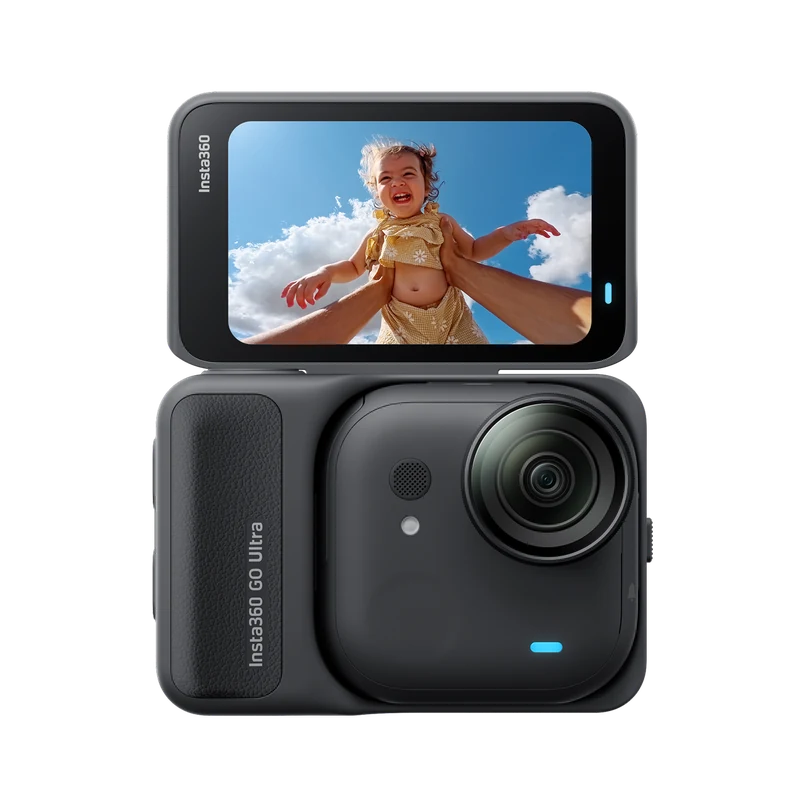
Sometimes the right camera is the one you can wear and forget about while you concentrate on the moment. My editorial pick for a mini action camera is the Insta360 GO Ultra, with the DJI Osmo Nano and Insta360 GO 3S offering different reasons to go small.
This guide compares published specifications and the way each design fits a shooting routine. It is not a claim that I have personally tested all three. The aim is to help you choose a camera for hands-free travel clips, behind-the-scenes footage and point-of-view storytelling.
My mini action camera shortlist
| Camera | Best fit in this list | Camera weight |
|---|---|---|
| Insta360 GO Ultra | Balanced wearable setup | 53g |
| DJI Osmo Nano | DJI-based setup | 52g |
| Insta360 GO 3S | Lowest worn weight | 39.1g |
Weights above refer to the camera alone, excluding the dock, Action Pod and mounts. Those extras matter when comparing the full kit in your bag.
1. Insta360 GO Ultra: my overall mini pick
GO Ultra offers 4K60 recording, a 1/1.28-inch sensor and removable microSD storage in a 53g camera. Its Action Pod adds a 2.5-inch flip touchscreen, while the magnetic mounting system is designed for wearable and unusual viewpoints. See Insta360’s GO Ultra specifications and accessories.
I like this balance on paper because a wearable camera should be easy to position without making file management difficult. Removable storage gives you a practical way to organize a shoot. The Pod also gives you a larger interface when you are setting up rather than wearing the camera.
My advice is to start with a few short sequences: arriving at a location, setting up your main camera and moving through the scene. A mini camera can add a personal perspective without requiring an entire video to use the same wide angle.
2. DJI Osmo Nano: the DJI alternative
DJI’s Nano has a 52g camera, a 1/1.3-inch sensor and 4K60 recording. Its camera is rated for 10m waterproof use, but the multifunctional vision dock is only IPX4 splash-resistant and must not be submerged. Verify the conditions on DJI’s Nano specifications page.
This is the alternative I would compare first if you prefer DJI’s workflow. Familiarity can be useful when you want to spend less time learning another interface, although it does not guarantee compatibility with equipment you already own. Check the exact mounting and audio accessories you need before ordering a bundle.
3. Insta360 GO 3S: when worn weight comes first
The GO 3S camera weighs 39.1g, making it the lightest camera in this shortlist. It records up to 4K30 and uses built-in storage rather than a removable card. Read the GO 3S product details and Insta360’s model comparison when choosing between generations.
I would consider it for short, deliberate clips where keeping the camera small matters more than high frame rates. Choose storage capacity carefully and build time into the day for transferring footage. An older model is good value only when its price and limitations both fit your needs.
Choose the mount before choosing the bundle
A camera attached to loose clothing can point somewhere different from where you are looking. Check a test recording while walking, bending and turning. Place the mount where it tells the story, and use the manufacturer’s recommended retention method for the activity.
Also separate the camera’s water rating from that of its screen dock or Pod. Read the exact model’s instructions before getting either component wet. A compact form does not mean every part of the kit can go underwater.
Mini, full-size or 360?
Choose a mini camera when wearing it is the main reason to buy. For a more conventional shooting setup, explore the full-size action camera guide. If you want to choose the viewing direction after recording, see the 360 camera guide; mini cameras do not automatically capture a complete sphere.
If cost is your deciding factor, compare the complete kit in the budget guide. You may be happier with a less expensive conventional camera than paying extra for a wearable design you rarely use.